
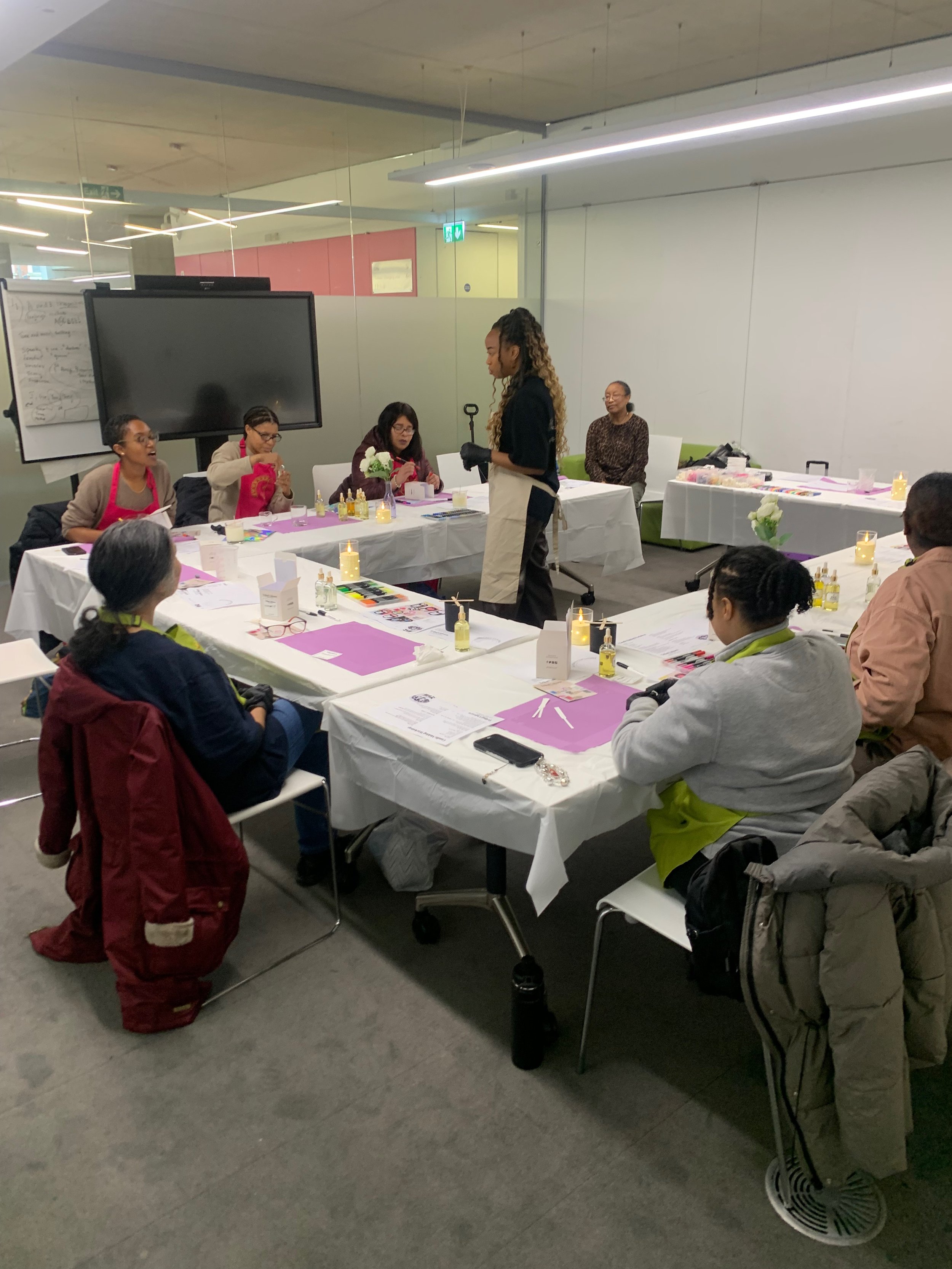
Written by Ife Okwudili
The Pass It On Project started with a simple idea: our communities are full of incredible skills, stories, and creative traditions — and those things deserve to be shared. Newham is full of people who know how to make something beautiful. People who can weave, paint, arrange flowers, shape clay, or decorate with henna. Too often these skills stay private — seen as hobbies rather than something worth teaching, valuing, or monitising.
Pass It On was designed to change that.
The project created a space where local people could step forward and say: “I know how to do this — and I’d like to pass it on.” And the results were more powerful than we expected.
From Makers to Facilitators
At the heart of the programme was a simple but transformative idea: help people turn their skills into workshops.
Through a series of interactive masterclasses, we worked with local creatives to explore the practical side of teaching. How do you structure a session? How do you make participants feel comfortable? How do you think about safety, pricing, and logistics?
Forty trainees took part in the training sessions.
Most came in identifying as makers or hobbyists — people who enjoyed crafting, creating, or sharing skills informally with friends and family. But something interesting happened during the training. People began to realise that running a workshop isn’t about proving you’re the best or most expert person in the world. It’s about creating a welcoming space where others can try something new and create in community.
That shift — from “I make things” to “I can teach this” — was huge.
“Participants began to see themselves differently — not just as hobbyists, but as creative leaders within their community.”
By the end of the programme:
80% of facilitators reported a measurable increase in confidence
Every respondent rated their confidence 4 or 5 out of 5
100% said they now understood what it takes to run a workshop safely and professionally
Perhaps most importantly, participants began to see themselves differently — not just as hobbyists, but as creative leaders within their community.
Free Workshops, Open Doors
Training was only the first step. Pass It On was built around a two-part idea: train facilitators, then give them the chance to run a real public facing workshop. The workshop industry is huge in London – and it can be expensive. Commercially available sessions can cost anything from £20 to £80 and more. Removing the financial barrier was crucial. With the rising cost of living, many people simply can’t afford to try new creative activities, even when they’re curious.
So we flipped the model.
Instead of asking the public to pay, we gave our newly trained facilitators the opportunity to run their first sessions as free community events — gaining valuable experience while welcoming the Newham locals in.
The result? Eleven public workshops delivered across the borough, reaching over 100 local residents.
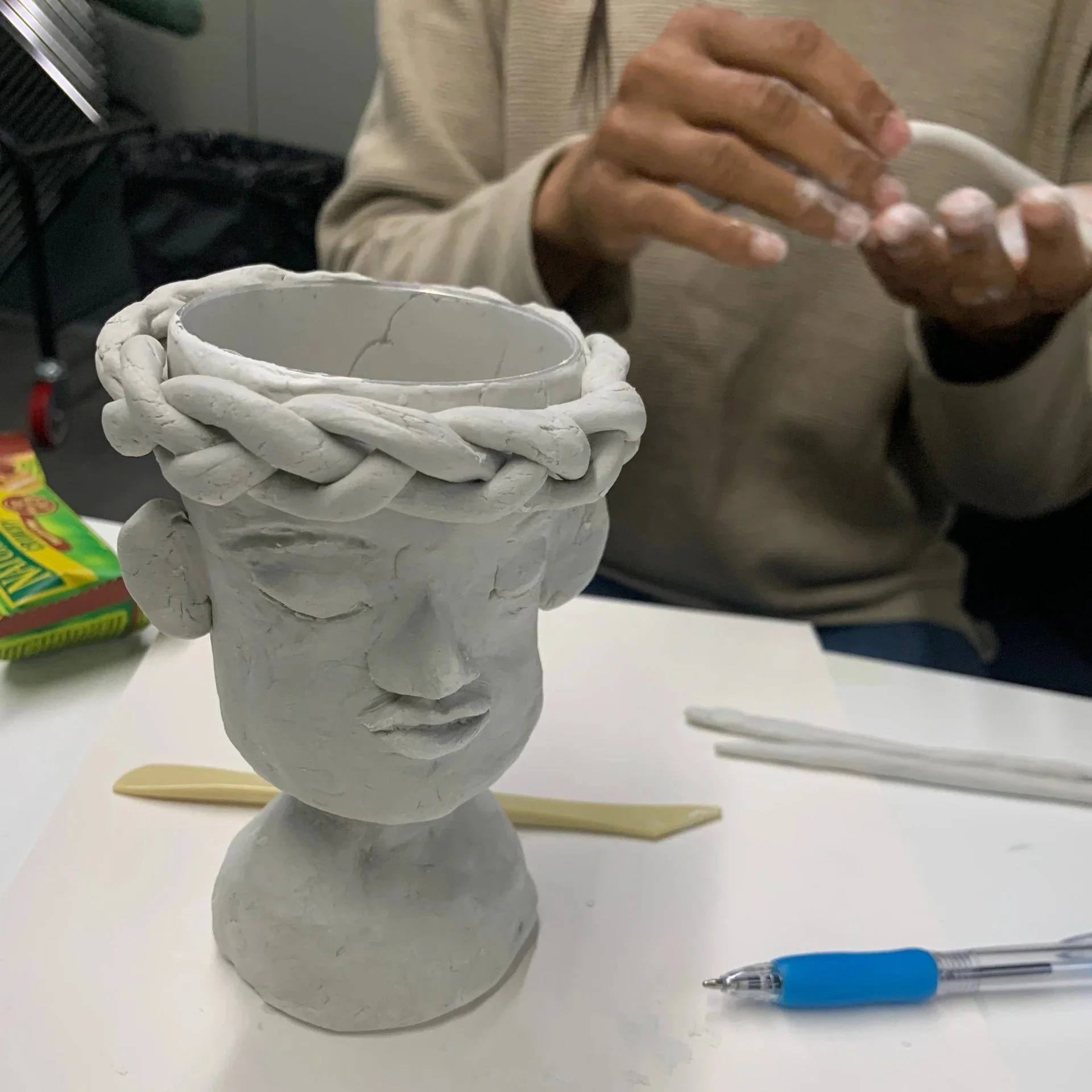
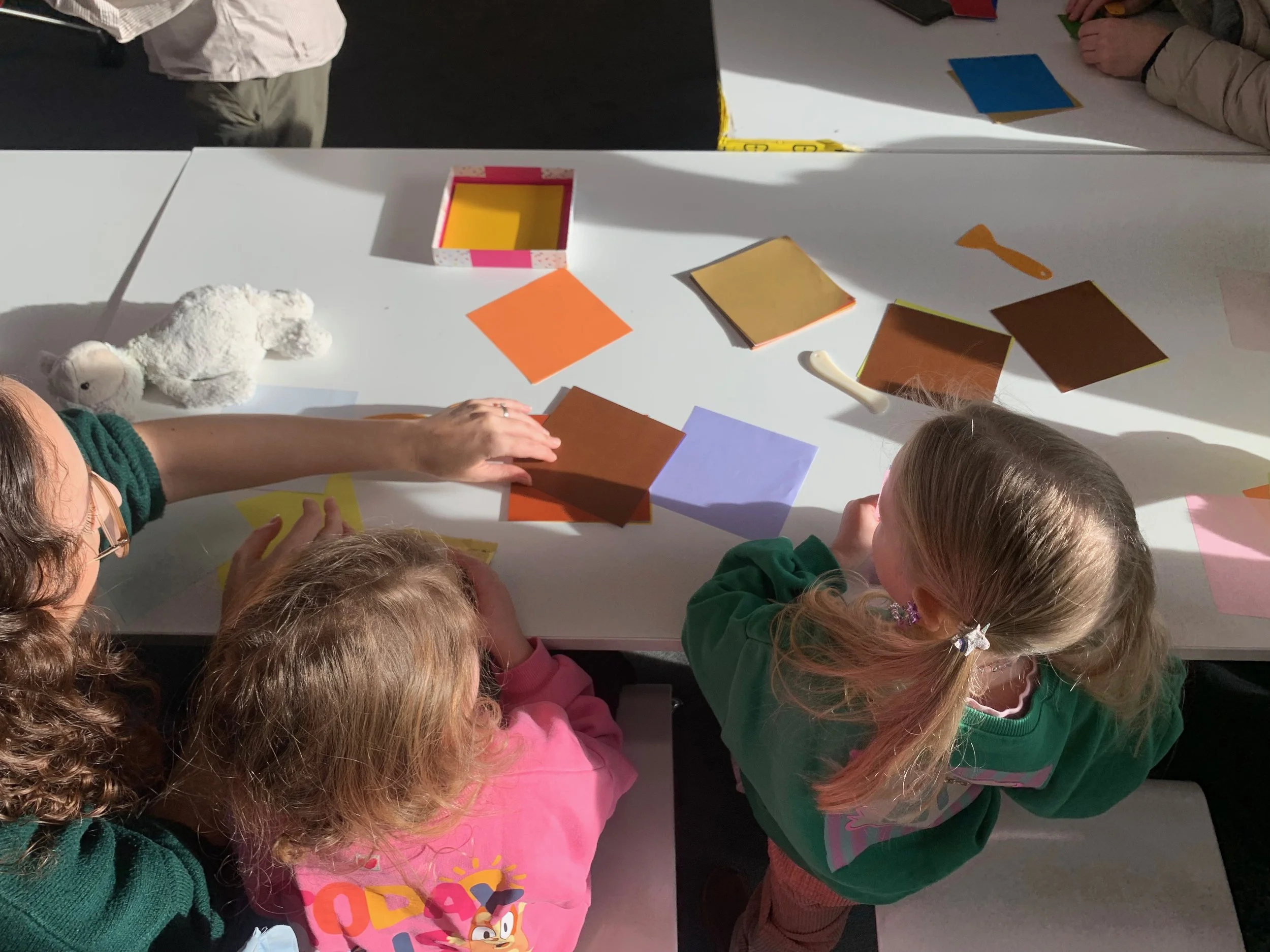
Workshops ranged from pottery modelling and origami to candle making, floral arrangements, weaving, card making, and carnival mask design. Each session created a small pocket of creativity — people sitting together, learning something new, and often surprising themselves with what they could make.
Some of the most powerful moments were the simplest ones:
Families learning together across generations
First-time attendees saying they felt welcomed rather than intimidated
Participants expressing pride in reconnecting with creative traditions
Several people who attended the workshops even said they might consider running their own workshops one day.
And just like that, the cycle of passing skills forward had already begun.
Learning as We Went
Like any community project, Pass It On evolved as it unfolded.
Originally, we had planned a final showcase event where trainees would display their work and promote their workshops. But with the project taking place over the winter months — and the festive season right in the middle — we realised that asking brand new facilitators to organise another large event immediately after delivering their workshops might be a bit too much.
So we tried something different.
The idea for Workshop Palooza was born.
Hosted at Old Manor Park Library, the event took on a new format: six workshops delivered within two hours, allowing participants to experience multiple creative activities in one visit.
This approach brought fresh energy to the project. It also opened the door to four additional new facilitators who were curious about teaching but hadn’t yet been part of the original cohort.
The day became less of a formal showcase and more of a celebration of local creativity — busy, welcoming, and full of discovery.
Sometimes the best outcomes happen when you stay flexible.
“When people see someone from their own community leading a workshop, it changes the perception of who creative leadership belongs to.”
Representation Matters
One of the motivations behind Pass It On was the lack of diversity we often see in commercially available workshops.
The UK’s wellness and creative learning sectors are worth millions, yet the people teaching those courses don’t always reflect the communities they serve.
Pass It On aimed to help change that — by creating a pathway for local people to step into that space.
The facilitators who took part in the project represented a wide mix of cultural backgrounds across Newham, including African, Caribbean, Bangladeshi, Chinese, Arab and mixed heritage participants.
That representation matters.
When people see someone from their own community leading a workshop, it changes the perception of who creative leadership belongs to.
Beyond the Project
While the workshops themselves were important, Pass It On was always about what happens next.
To support that, we built a dedicated website where facilitators can showcase their workshops and be contacted directly by potential clients. You can check it out here www.passitonproject.uk
Already, some facilitators have begun planning new workshops independently — and a few have even delivered additional sessions since the programme ended.
That’s the real success of Pass It On.
Not just the workshops that happened during the project — but the ones that will happen long after it ends.
Passing It Forward
In a relatively short time, Pass It On trained 40 creatives, supported 11 facilitators, delivered 11 public workshops, and connected with over 100 residents across the borough.
But numbers only tell part of the story.
The real impact lies in the shift that happened for the people involved.
Participants moved from seeing themselves as hobbyists to recognising themselves as facilitators, teachers, and cultural contributors.
And when that happens, something powerful begins.
Skills get shared. Confidence grows. Communities connect.
The knowledge that already exists within a neighbourhood starts to move — from one pair of hands to another.
And that’s what our project was always about.
Passing it on.
About Ife Okwudili
Ife Okwudili (she/her) spent over 20 years working as a television producer & executive in both the UK and North American markets, before transitioning to a new career in the world of coaching and training. She holds an MSc in Positive Psychology and coaching in addition to extensive experience managing talented teams both on & off screen. A passionate self-taught potter, Ife also integrates clay work into coaching sessions, using the meditative, tactile nature of ceramics to help clients reduce stress, process emotions, and gain fresh perspectives on their goals. Whether guiding individuals or building community through Community Clay Newham, Ife is on a mission to prove that creativity isn’t just an art—it’s a powerful tool for transformation.